
Home / Articles /
Hospital biodiversity and BNG: is planting trees enough? | CyberChat 9
CYBERCHAT / EPISODE 09
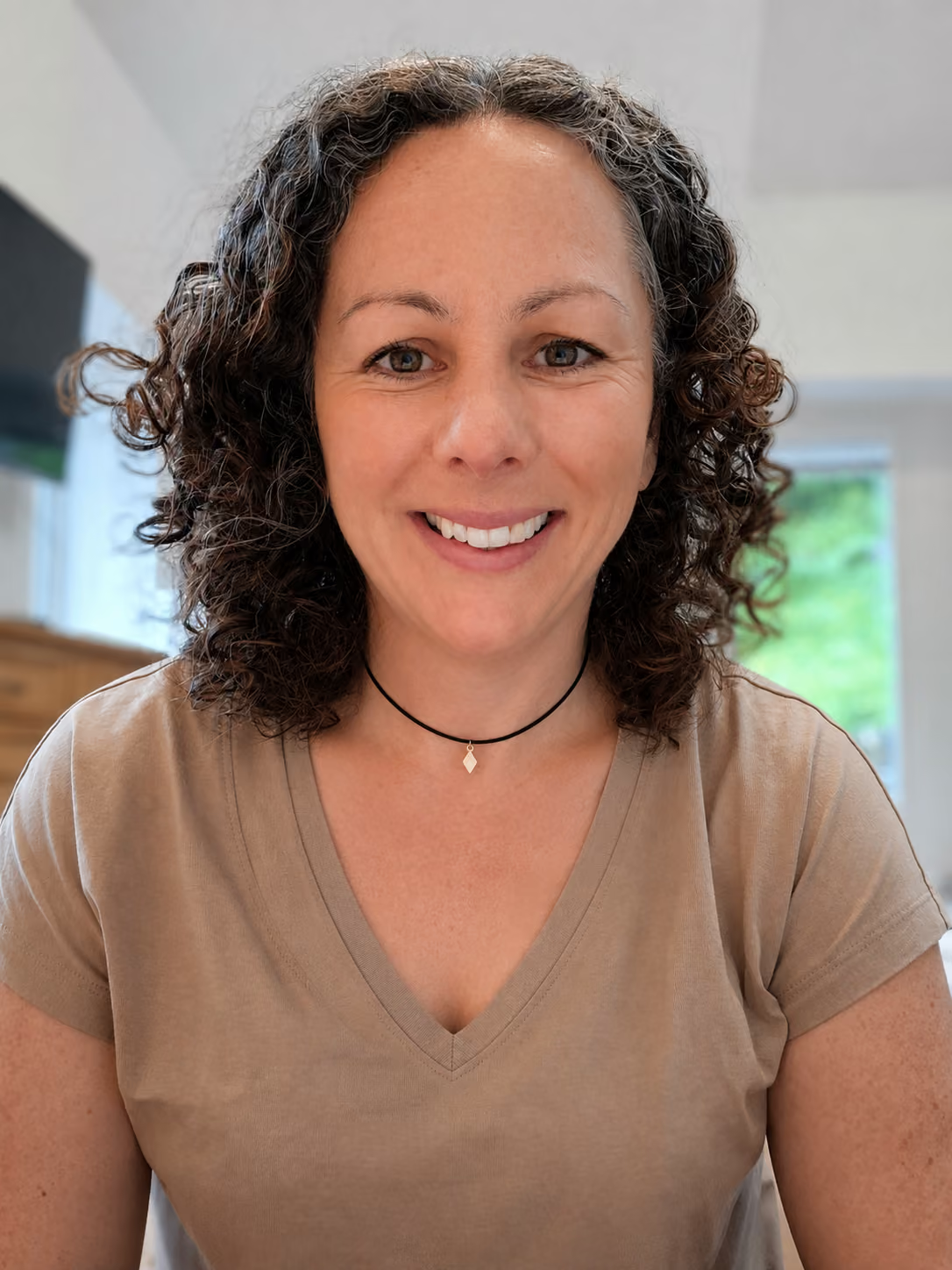
By Joanna Whitear · Reviewed 4 October 2026
A fictional 1990s chatroom conversation about real sustainability questions. Joanna and Al appear as themselves; the dialogue is scripted and the other characters are invented.
Is a hospital tree-planting project the same as biodiversity net gain?
Healthcare organisations can support nature through the way they develop and manage their sites. Formal biodiversity net gain and wider nature projects serve related but distinct purposes. Start with the existing habitats, involve the right expertise and plan for maintenance, while considering access, shade and drainage alongside wildlife.
#evergreen : CyberChat
[21:01] Al says: evening all. biodiversity tonight. If a hospital plants ten trees, is that biodiversity net gain?
[21:02] net_junky says: depends if someone has taken a photo with a spade
[21:03] Joanna says: Planting trees might be a good project. But biodiversity net gain, or BNG, has a specific meaning in development planning. A planting event does not establish that you have achieved it.
[21:04] Sunshine_girl says: so biodiversity and BNG are different things?
[21:05] Joanna says: Biodiversity is the variety of living things and the ecosystems they form. BNG is about leaving habitats measurably better after development. You can help nature on an existing site without delivering a formal BNG scheme.
[21:06] Al says: what is the legal bit?
[21:07] Joanna says: For development in England that falls within mandatory BNG, the minimum gain is 10%. Exemptions apply, and local requirements can be higher. Check the particular application with the planning team; it is not a blanket rule for every UK healthcare site.
[21:08] Ace_Ventura says: ten per cent more trees then?
[21:09] Joanna says: No. The statutory metric measures biodiversity units using habitat characteristics such as type, area and condition. You need a baseline and a properly assessed proposal, not a tree count.
[21:10] net_junky says: can we design the building first and squeeze the nature in afterwards
[21:11] Joanna says: That can leave you with fewer options. Understand what is already there before fixing the layout. An apparently untidy patch may have value that is easy to miss without ecological advice.
[21:12] Sunshine_girl says: our local hospital barely has any spare land
[21:13] Joanna says: That is a real constraint. Start with existing habitats, courtyards, boundaries and how spaces connect. Improving the management of what you already have can be useful, even where there is no room for a large new garden.
[21:14] Al says: could a courtyard help staff and patients as well?
[21:15] Joanna says: Yes, that is worth exploring with the people who use the site. Think about access, places to sit and how the space fits daily routines. A garden people cannot reach or use needs a different design.
[21:16] Ace_Ventura says: the wellbeing garden is locked. please admire through window
[21:17] Joanna says: Exactly the sort of problem to find before spending the budget. And keep the benefits distinct: a welcoming courtyard and a high-value wildlife habitat are not automatically the same thing.
[21:18] net_junky says: so where does climate resilience come in?
[21:19] Joanna says: A well-designed scheme can also provide shade or help manage rainfall. Trees, planting and drainage need to suit the site. Ask how the proposal works for wildlife, for people and during heat or heavy rain.
[21:20] Sunshine_girl says: three questions instead of one label saying green
[21:21] Joanna says: Yes. A carbon benefit, a biodiversity improvement and a reduction in flood risk need different evidence. One attractive drawing does not demonstrate all three.
[21:22] Al says: who looks after it once the contractor has gone?
[21:23] Joanna says: That belongs in the plan and budget from the start. For formal BNG, off-site gains and significant on-site gains require at least 30 years of maintenance, with responsibilities set out in legal agreements.
[21:24] net_junky says: thirty years. slightly longer than our volunteering afternoon
[21:25] Joanna says: Volunteers can make a valuable contribution. But somebody still needs to own the management plan, fund the work and check whether the habitat is developing as intended.
[21:26] Ace_Ventura says: and if it isnt?
[21:27] Joanna says: Find out why and agree the response with the right expertise. Monitoring should inform action. A planting list tells you what went in; it does not tell you what survived or whether the intended habitat developed.
[21:28] Al says: what can a supplier offer beyond donating a few shrubs?
[21:29] Joanna says: Depending on their expertise, help with ecological surveys, suitable landscape design, drainage, maintenance or monitoring. A social value partnership can support a project too, provided the contribution meets a real need and has someone responsible for follow-through.
[21:30] Sunshine_girl says: could you connect it with neighbouring green spaces?
[21:31] Joanna says: Yes. Look beyond the fence and speak to local partners. Wildlife corridors and local nature recovery priorities can help shape the plan. Think about access to green space for the surrounding community too.
[21:32] net_junky says: one thing to do tomorrow?
[21:33] Joanna says: Pick one site and establish what is already there, who manages it and what changes are planned. Bring estates, grounds maintenance and ecological expertise together before choosing the project. Start with understanding the place.
End of chat · Understand the site. Plan the care. Check what grows.
What this means for you
- Identify the existing habitats, site manager and any planned development before choosing a project.
- Check the application-specific planning requirements and involve suitable ecological expertise.
- Agree the intended habitat outcomes, maintenance funding, monitoring and responsibility; record wellbeing and climate-resilience benefits separately.
Does mandatory BNG apply to every healthcare project?
No. These development-planning rules apply in England, with exemptions. Defra guidance states that from 6 August 2026, planning applications for developments of 0.2 hectares or below are exempt. Check the individual application, other exemptions and local requirements with the planning team. A voluntary nature project is a separate matter. Read the current Defra guidance (checked 4 October 2026).
Sources and further reading
- CCS webinar: “Biodiversity Net Gain and how it impacts healthcare organisations”
Adapted from the source transcript. Themes include healthcare estates, existing habitats, courtyards, nature corridors, climate resilience, partnerships and long-term management. The dialogue is original, with practical supplier questions added; it is not a quotation of, or endorsement by, the speakers.
- Defra: Understanding biodiversity net gain
Official guidance checked 4 October 2026 for the England-specific scope, minimum gain, exemptions, statutory metric and long-term maintenance requirements. Confirm the rules and local requirements for the individual development.
Editorial note: the original webinar is background; current England-specific planning guidance takes precedence. BNG planning rules and exemptions can change; use the linked official guidance and project-specific advice. A voluntary nature project should not be described as meeting formal BNG requirements without the relevant assessment. Read the official BNG guidance.
About the author
Joanna Whitear is the founder of Kintera Limited and supports suppliers with NHS Evergreen assessments and Carbon Reduction Plans. She has more than 15 years of sustainability and climate experience and is a lead ISO 14001 auditor.
Related reading and support
Want to organise the evidence behind your environmental work?
I can help connect activities, responsibilities and records with your supplier evidence. Project-specific BNG assessment needs the relevant planning and ecological expertise.